Market NewsBeginner8 min
Crypto this week (31 Aug–6 Sep 2026): Bitcoin back above $80,000, a sidechain paused
Bitcoin dipped to $76,248, then closed the week at $80,350 (+3.45%) after a Fed governor's speech. The Liquid sidechain was paused after about 4,000 BTC left its reserve, US bitcoin ETFs took in $986.9 million, and the IMF spoke on El Salvador's bitcoin.
By Rumos · last mo.
In this article
- 1. Bitcoin dips in a bond sell-off, then climbs back above $80,000
- 2. A bitcoin sidechain is paused after about 4,000 BTC leaves its reserve
- 3. US bitcoin funds take in nearly $1 billion
- 4. Rules: a G20 statement and an SEC proposal on blockchain records
- 5. The IMF says El Salvador's new bitcoin came from donations
- Also this week
- What to take from this week
- What you can do now
- Questions readers ask
The first week of September 2026 had some movement. Bitcoin dipped to about $76,200, then climbed back above $80,000 after a US central banker spoke, and a bitcoin sidechain was paused after a large withdrawal through a software bug. Here are the five stories from 31 August to 6 September that matter most if you are new to crypto, plus a note on a quiet EU.
Key points: what happened in crypto this week?
- Bitcoin ended the week at $80,350 (€69,179), up 3.45% in dollars and 3.2% in euros. Ether rose 4.0%.
- On 3 September, after a speech by Fed Governor Christopher Waller, traders cut the odds of a September US rate rise to 48%, from nearly 70%.
- About 4,000 BTC, about $320 million by Liquid's estimate, left the reserve of the Liquid sidechain on 6 September through a bug in Liquid's own software, not in bitcoin's.
- US spot bitcoin ETFs took in $986.9 million, their third straight week of net inflows.
- The IMF said documentation verifies that El Salvador's recent bitcoin additions came from private donations.
1. Bitcoin dips in a bond sell-off, then climbs back above $80,000
Early in the week bitcoin (BTC) drifted lower. On Wednesday 2 September it held near $77,000 "as a selloff sweeps through global bond markets", The Block reported, meaning many investors were selling government bonds at once. That day bitcoin touched its week low of $76,248 (€65,915).
On Thursday 3 September, Christopher Waller, a governor of the Federal Reserve (the US central bank), said in a speech that, if recent progress on inflation continued in the data due over the next two weeks, he would "be inclined to support holding" interest rates at their current level. He added that a rise "may be appropriate" at the Fed's meeting on 15 and 16 September if the August data showed that this improvement had been "fleeting". Traders cut the odds of a September rate rise to 48%, from nearly 70% a day earlier, according to CME FedWatch data cited by CoinDesk.
CoinDesk said the "key catalyst" for bitcoin's rise that day appeared to be this change in rate expectations, and also pointed to a weaker dollar. Bitcoin gained 5.1% on 3 September and went above $81,000, its highest since mid-May, CoinDesk reported. It reached $82,262 (€70,758) late that day.
Bitcoin ended the week at $80,350 (€69,179), up 3.45% in dollars and 3.2% in euros. Ethereum (ETH) rose 4.0% to $2,515 (€2,165).
Why it matters to you: as the week before, a Fed speech moved bitcoin more than any crypto news. This time the speech pointed towards holding rates, and the price went the other way.
2. A bitcoin sidechain is paused after about 4,000 BTC leaves its reserve
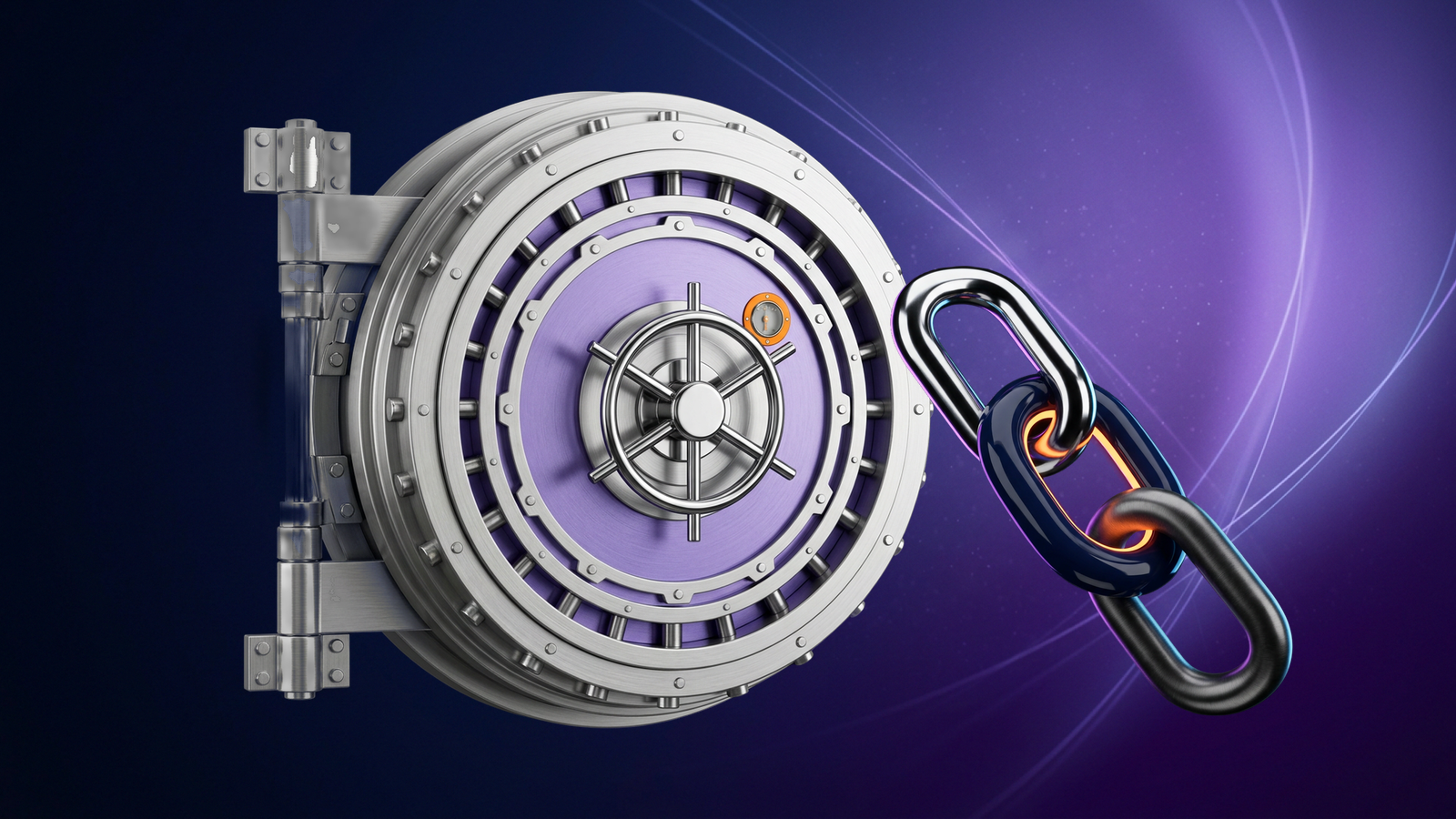
A sidechain is a separate network linked to bitcoin. On Blockstream's Liquid sidechain, bitcoin is represented by a token called L-BTC, which is backed by real bitcoin held in a reserve and released by a group of signers.
On Sunday 6 September an attacker used a bug in how Elements, the software behind Liquid, checks transactions, to create about 4,000 L-BTC with nothing behind them. They redeemed it through a service called SideSwap, and the signers released 3,996.02 BTC on the bitcoin main chain. The reserve fell from about 4,205 BTC to 197 BTC. Liquid estimated the amount at about $320 million. The network was paused that evening. The withdrawers called themselves "white-hat" (ethical) hackers; that label is their own.
After the week ended, on 7 September, the attacker returned 3,400 BTC. As of 23 September, about 602 BTC were still outstanding, Blockstream said.
Why it matters to you: bitcoin on another network, such as a sidechain or "wrapped" token, is a claim on a reserve held by someone else. If that reserve is drained, the token can lose its backing even though the bug was not in bitcoin itself. Learn the difference in storing cryptocurrencies.
3. US bitcoin funds take in nearly $1 billion
An ETF (exchange-traded fund) trades on a stock exchange like a share; a "spot" bitcoin ETF holds actual bitcoin. In their third straight week of net inflows, US spot bitcoin ETFs took in $986.9 million in the week ended Friday 4 September, up from $924.5 million the week before. BlackRock's IBIT took about $691.5 million of it.
Thursday 3 September, the day of the Waller speech, brought $731 million, which The Block called the "largest inflow day since January". US spot ether ETFs took in $218.4 million, also their third positive week.
Why it matters to you: one big day made up most of this week's total, so check the daily picture as well as the weekly number.
4. Rules: a G20 statement and an SEC proposal on blockchain records
G20 finance ministers and central bank governors (the G20 is a group of the world's largest economies, including the EU) met in Asheville, North Carolina, on 31 August and 1 September. They issued a Chair's Statement rather than a full communiqué. It recognises "the transformative role that digital financial innovation, including digital assets," can play in growth, and commits to rules that keep the financial system stable while opening clear pathways for innovation.
On 1 September the SEC, the main US markets regulator, proposed updating its rules for transfer agents, the firms that keep the official record of who owns a company's shares. Those rules have not been substantively updated since the late 1970s and early 1980s. CoinDesk reports it would allow blockchains to be used as official records of transactions.
Why it matters to you: the G20 text is a statement of intent with no new rules, and the SEC plan is a proposal, not a rule. In the EU, tokenised shares fall under the DLT Pilot Regime and MiFID, not MiCA; our course on crypto rules in the EU explains what MiCA covers.

5. The IMF says El Salvador's new bitcoin came from donations
On 3 September the IMF reached a staff-level agreement on El Salvador's loan programme. In its press release it said: "Documentation has been provided verifying that Bitcoin accumulation since the first review reflects private donations and that no public resources were used." It added that "no further Bitcoin accumulation beyond the documented donations is expected". If the IMF's board approves and agreed prior actions are completed, about US$140 million becomes available to El Salvador.
Why it matters to you: it answers a long-running question about whether El Salvador's government kept buying bitcoin despite its IMF deal. The documentation came from the Salvadoran authorities, and the donor was not named.
Also this week
- Customer data leak: on 4 September hardware-wallet maker Trezor said a breach at its shipping partner, ShipMonk, exposed about 67,000 more US customers, about 81,000 in total. The nearly 14,000 disclosed in August included customers in Italy, Portugal and Sweden. Names, contact details and shipping addresses were exposed. Leaked details like these are used for targeted phishing, and any message asking for your recovery phrase is a scam.
- A quiet EU: ESMA, the EU's markets supervisor, published nothing crypto-specific. The European Commission's consultation on reviewing MiCA stayed open until 30 September 2026, extended from 31 August. Revolut's planned removal of the stablecoin USDT for customers in the European Economic Area and Switzerland had a 31 August deadline; we found no report of what happened on the day.
What to take from this week
Bitcoin's direction again followed what the US central bank seemed likely to do with interest rates. The Liquid incident is a reminder that bitcoin on another network depends on the reserve behind it, even when the bug is not in bitcoin itself. Officials stated positions and proposals, but no new rules were finalised.
What you can do now
- Learn why interest rates and Fed speeches can move crypto prices in about the crypto market.
- New to ETFs and fund flows? Start with investment basics.
- Learn how phishing messages work in our spot-the-scam course.
Questions readers ask
What happened to the bitcoin price between 31 August and 6 September 2026?
It fell to $76,248 on 2 September, rose to $82,262 on 3 September and closed the week at $80,350, up 3.45% in dollars and 3.2% in euros.
Was bitcoin hacked in the Liquid incident?
No. A bug in Elements, the Liquid sidechain's software, was used to create unbacked L-BTC and redeem it for bitcoin from Liquid's reserve. Liquid's own signers released that bitcoin as a normal withdrawal, according to Blockstream; the flaw was not in bitcoin itself.
Is El Salvador still buying bitcoin with public money?
The IMF says documentation verifies that its recent bitcoin additions came from private donations and that no public resources were used.
Crypto prices can rise and fall sharply, and you could lose some or all of the money you put in. Crypto is not covered by deposit protection. This article is for education, not financial advice.